BOTOX® Cosmetic and Neuromodulators in Canada: An Expert Guide
BOTOX® Cosmetic and Neuromodulators in Canada: An Expert Guide
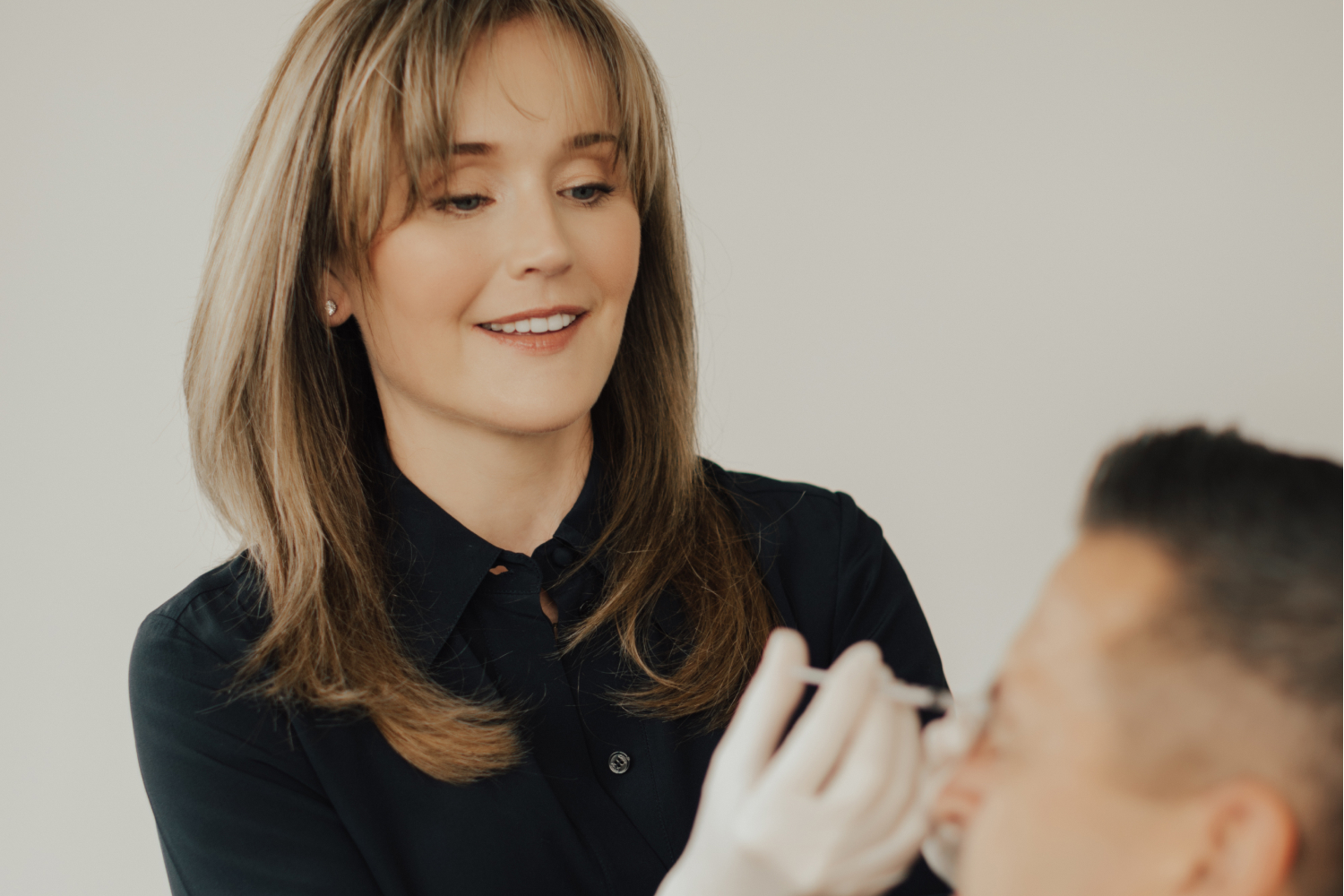
As a dermatologist and clinical researcher, I view neuromodulators (also known as wrinkle relaxers) as a cornerstone of a thoughtful, multi-modal approach to positive aging. These treatments—most commonly recognized under brand names like BOTOX® Cosmetic, Dysport®, Xeomin®, Nuceiva® and Letybo®—offer more than just wrinkle softening. When used strategically, they prevent the deepening of expression lines, refine facial shape and support a refreshed, natural appearance.
My philosophy has always been to align treatment with each patient’s values and anatomy, integrating neuromodulators with skincare, hyaluronic acid (HA) gels, energy-based devices and lifestyle factors for truly holistic outcomes.
What Are Neuromodulators?
Neuromodulators are purified proteins derived from botulinum toxin type A. They work by temporarily relaxing targeted muscles, softening dynamic wrinkles (the lines that appear with expression). Over time, regular treatments can help prevent deeper etched lines, which is why neuromodulators are often considered both corrective and preventative.
The Neuromodulators Approved in Canada
Five neuromodulators are currently approved by Health Canada for cosmetic use:
- BOTOX® Cosmetic (onabotulinumtoxinA) – The most established, with the longest safety and efficacy track record.
- Dysport® (abobotulinumtoxinA) – Known for a slightly quicker onset and broader diffusion, often useful in larger muscle groups.
- Xeomin® (incobotulinumtoxinA) – A “naked” toxin without accessory proteins, which may reduce the risk of antibody formation.
- Nuceiva® (prabotulinumtoxinA, marketed as Jeuveau® in the U.S.) – A newer option in Canada, designed exclusively for cosmetic use.
- Letybo® (letibotulinumtoxinA) – The most recent arrival, already in use internationally, with early data suggesting performance comparable to established products.
While each has subtle differences in onset, spread and duration, the most important factor in results remains the expertise of the injector, the dosing strategy and how the treatment is integrated into a broader plan.
The Correlation Between Dose and Longevity
Do higher doses of Botox last longer? Evidence shows they can—up to a point.
One of the most common questions patients ask is whether using a higher dose of neuromodulator makes results last longer. Research, including studies I’ve led and co-authored, shows that it often does.
In clinical trials, higher doses of products like Botox Cosmetic were linked to smoother results that lasted several weeks longer, without added safety concerns. For most patients, this means that carefully increasing the dose can extend the duration of effect and reduce the need for touch-ups.
However, there is a limit. Beyond a certain point, higher doses don’t add much more longevity and may increase the risk of temporary heaviness or unintended muscle relaxation. My goal in practice is to find the right balance, dosing enough to achieve the most natural, lasting results while maintaining comfort, safety, and expression.
Evidence From Clinical Research
At Humphrey & Beleznay Cosmetic Dermatology, our clinical research unit has conducted more than 60 clinical trials, helping shape today’s treatment standards. I have served as principal investigator or co-author on several pivotal studies, including:
- DaxibotulinumtoxinA Phase 2, 3 & 4 trials – These studies showed that newer neuromodulators can last significantly longer than traditional options. For patients, this suggests the potential for fewer treatment visits per year while maintaining results.
- Immunogenicity analyses – We examined whether repeated treatments increase the chance of the body developing antibodies that make the product less effective. The findings confirmed this risk is very low, meaning patients can safely continue regular treatments over many years without “wearing out” their results.
- OnabotulinumtoxinA (Botox) dose-ranging studies – We investigated how different doses influence both the duration of effect and side effect profile. The takeaway for patients is that dosing can be customized: higher doses may offer longer-lasting smoothness, while still preserving safety and natural expression when carefully planned.
This body of evidence directly informs my approach in the clinic: every treatment plan is designed to be both scientifically sound and tailored to each individual’s goals.
Neuromodulators in a Positive Aging Plan
I encourage patients to see neuromodulators as part of a positive aging strategy rather than a quick fix.
- Prevention – Regular treatment from an earlier stage can slow the progression of wrinkles and help maintain smooth skin.
- Integration – The most natural results occur when neuromodulators are combined with complementary treatments such as fillers, lasers and medical-grade skincare.
- Personalization – No two faces, lifestyles or goals are alike. Treatment plans should reflect muscle strength, skin quality, desired expression and long-term outcomes.
The objective is not to erase expression, but to preserve it—while preventing wrinkles from becoming deeply etched.
Key Takeaways
- Canada has five approved neuromodulators: Botox Cosmetic, Dysport, Xeomin, Nuceiva and Letybo.
- Differences among them exist, but the expertise of your injector and the overall treatment plan are the biggest determinants of outcome.
- Higher doses may extend longevity, but results must be balanced with safety and tailored to individual anatomy.
- Neuromodulators work best as part of a multi-modal, personalized approach to positive aging.
Neuromodulators are among the most effective tools in modern dermatology, but their success depends on more than the brand name. The science is clear: with thoughtful dosing, evidence-based planning and integration into a holistic strategy, these treatments can help patients age with confidence and authenticity.