Neuromodulators in Vancouver: Understanding the Subtle Science Behind Today’s Most Popular Aesthetic Treatment
Neuromodulators in Vancouver: Understanding the Subtle Science Behind Today’s Most Popular Aesthetic Treatment
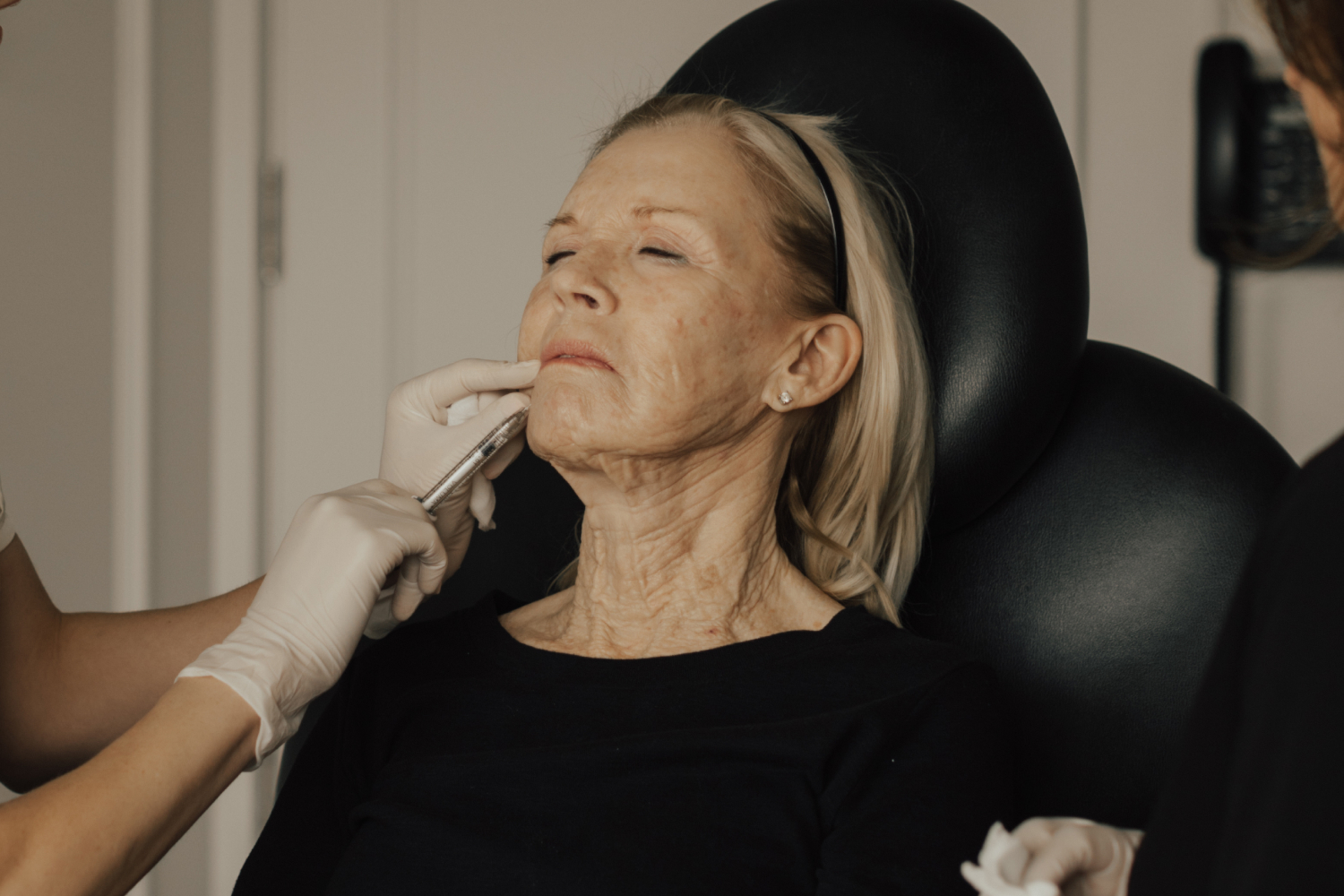
Neuromodulator treatments (also known as wrinkle relaxers) remain one of the most trusted and effective approaches in aesthetic dermatology. For patients seeking to soften dynamic lines, refresh their appearance or prevent the progression of wrinkles, these treatments consistently deliver results that are precise, natural and predictable when performed by an expert injector.
Over the past two decades, neuromodulators have evolved from a single, pioneering treatment into a family of sophisticated options. Each formulation shares a common mechanism of action, yet differs in molecular structure, diffusion characteristics and clinical performance. Understanding these distinctions allows physicians to personalize treatment and helps patients make informed decisions about what is best for them.
The Shared Mechanism of Neuromodulators
All Health Canada–approved neuromodulators contain botulinum toxin type A, a purified protein derived from Clostridium botulinum. When injected in controlled microdoses, it temporarily relaxes targeted facial muscles by preventing the release of acetylcholine, the neurotransmitter responsible for muscle contraction.
By quieting these muscle movements, neuromodulators reduce the appearance of dynamic wrinkles such as frown lines, forehead creases and crow’s feet. Over time, consistent treatment can also help prevent these lines from deepening. The result is a smoother, rested appearance that preserves the patient’s natural expression rather than altering it.
Key Differences Between the Neuromodulators on the Market
Although all neuromodulators act on the same biological pathway, their formulations vary in ways that influence diffusion, onset and duration of effect. These differences originate in the manufacturing process, including how the neurotoxin is purified and whether stabilizing or complexing proteins are included in the final product.
Botox® (onabotulinumtoxinA)
Botox® remains the most studied and widely used neuromodulator in the world, supported by more than three decades of safety and efficacy data. Its formulation includes complexing proteins that protect the active molecule during production and storage. Clinically, Botox is known for its reliability and precision, making it a preferred choice for areas where fine control is essential, such as the glabella and periorbital region.
Dysport® (abobotulinumtoxinA)
Dysport has a different molecular structure and a formulation that can allow a broader diffusion profile compared with onabotulinumtoxinA. This characteristic can be helpful for treating larger areas, such as the forehead, where a more blended effect is desired. Clinical studies have also shown that Dysport may have a faster onset of action, with some patients noticing softening of lines within two to three days, and a duration generally in the same clinical range as other neuromodulators, depending on dose and anatomy.
Xeomin® (incobotulinumtoxinA)
Xeomin® differs from other neuromodulators because it contains no accessory proteins. This “naked” formulation results in a pure neurotoxin that may reduce the potential for antibody formation with long-term or frequent use. In practice, Xeomin performs with consistent precision and is often chosen for patients who have received regular neuromodulator treatments for many years or who prefer a formulation without added stabilizers.
Jeuveau® (prabotulinumtoxinA)
Jeuveau is a botulinum toxin type A developed specifically for aesthetic use by Evolus, Inc. Its manufacturing process uses a modern purification method known as Hi-Pure technology, producing a highly refined formulation. Clinical studies demonstrate safety and efficacy comparable to other neuromodulators for frown lines. As a newer entrant, Jeuveau offers patients and providers an additional option within the growing field of aesthetic neuromodulators in Canada.
Letybo® (letibotulinumtoxinA)
Letybo is the newest neuromodulator approved in Canada, developed by Hugel Inc. in South Korea and widely used internationally. Clinical studies confirm its safety and efficacy for frown lines, with onset and duration comparable to other botulinum toxin type A products. Early research suggests it may have a more focused diffusion pattern, which can be advantageous for precise treatment in smaller or delicate areas.
Emerging Innovations: Faster and More Flexible Options
Innovation in this field continues to progress rapidly. Daxxify® (daxibotulinumtoxinA-lanm) represents a new era of neuromodulators designed for extended duration. Clinical trials have demonstrated results lasting up to six months or longer, nearly twice the longevity of traditional formulations. Daxxify achieves this through a novel peptide-based stabilizer that binds to the neurotoxin, allowing for more sustained activity at the neuromuscular junction. For patients who prefer fewer treatment visits per year, this can be a meaningful advancement.
At the same time, research and development are moving toward neuromodulators at the opposite end of the spectrum: fast-acting and short-lasting. These newer options, currently in development and undergoing clinical trials, are formulated to produce visible results within 24 hours and to fade within a few weeks. They are designed for patients seeking flexibility, such as those trying a neuromodulator for the first time or preparing for a special event. Short-duration products may also help reduce anxiety for first-time users who want to experience the treatment without committing to several months of effect.
Together, these innovations reflect a growing range of choices, allowing patients to align treatment timing, intensity and duration with their goals and lifestyle.
Precision and Personalization in Practice
For experienced injectors, the growing variety of neuromodulators provides an expanded toolkit. Subtle differences in molecular size, diffusion and onset allow treatments to be customized to each patient’s facial anatomy, muscular strength and aesthetic preferences.
A patient with a strong frown muscle may benefit from one formulation, while another seeking a softer lift to the brow or a smooth forehead might do better with another. These nuances enable a precision approach to facial rejuvenation—one that balances science, art and anatomy to achieve results that look effortless and natural.
Personalization also extends to treatment frequency and rotation. Patients who have been receiving neuromodulators for many years may benefit from alternating products periodically to maintain responsiveness and reduce theoretical risks of antibody formation.
The Role of Research of and Evidence for Neuromodulators
At Humphrey & Beleznay Cosmetic Dermatology, clinical research forms the foundation of every treatment protocol. Our research unit has been involved in more than sixty clinical trials, many of which have contributed to the evidence base that shapes today’s treatment standards. These studies have examined key aspects of neuromodulator performance, including dose optimization, onset and duration, diffusion and immunogenicity.
The insights gained from this research translate directly into patient care. Each injection plan is designed with a deep understanding of facial anatomy, product science and patient goals, ensuring the highest standard of safety and efficacy.
The Future of Neuromodulators
As the field continues to evolve, the focus is shifting from simply reducing wrinkles to enhancing facial harmony and expression. Modern neuromodulator treatments are not about freezing movement but refining it. The goal is always to achieve balance—maintaining the vitality and authenticity of expression while softening the signs of time and tension.
For patients, the growing diversity of options means more control, more customization and results that feel like the best version of themselves.